

When Do You Need Electrical Safety Certificates?

A new consumer unit, an upcoming tenancy or a worrying fault can all raise the same question: which electrical safety certificates do you actually need? The answer depends on the property, the work completed and whether you need proof of an installation's condition or proof that new work meets the required standard. Getting the right document is not paperwork for paperwork's sake. It gives homeowners, landlords and businesses a clear record of electrical safety and compliance.
What people mean by electrical safety certificates
“Electrical safety certificate” is a useful everyday term, but it can describe several different documents. Each has a distinct purpose. A qualified electrician should explain which document applies before work begins, rather than presenting a certificate as an unexpected extra once the job is complete.
For new installation work, such as a full rewire, replacement consumer unit or new circuit for an EV charger, the usual document is an Electrical Installation Certificate, often called an EIC. It confirms that the work has been designed, installed, inspected and tested in line with BS 7671, the British Standard for electrical installations.
For a small alteration to an existing circuit, such as adding a spur or replacing a damaged section of wiring, a Minor Electrical Installation Works Certificate may be appropriate. It records the precise work carried out and the test results for that alteration.
An Electrical Installation Condition Report, or EICR, is different. It does not certify a new installation. It assesses the condition of the existing electrical installation and identifies defects, deterioration or areas that may require improvement. This is the report most often requested by landlords, buyers, insurers and commercial property managers.
When a homeowner may need a certificate
Homeowners are not generally required to obtain a periodic EICR at a fixed interval by the same regulations that apply to private landlords. Even so, regular inspection is a sensible precaution, particularly in older homes or after major changes in how the property is used.
An EIC is normally provided following major electrical installation work. This includes a rewire, a new consumer unit, a new circuit for a shower or cooker, and many EV charger installations. Where domestic work is notifiable under Building Regulations Part P, the work must also be notified to Building Control through the appropriate route. When carried out by a registered competent person, this is usually handled by the electrician, with a Building Regulations compliance certificate issued afterwards.
A condition report is worth arranging when a property has old wiring, recurring tripping, damaged accessories, signs of overheating or no clear record of previous testing. It is also wise before buying an older property, planning a substantial renovation or letting family use an outbuilding converted into a workspace.
There is no benefit in waiting for a complete failure. A fuseboard that trips occasionally may be responding correctly to a fault, but the cause still needs investigation. Equally, an inspection may find that an installation is safe to continue using while recommending improvements that can be planned and budgeted for. Not every observation means an urgent replacement is required.
Do you need an EICR to sell a house?
An EICR is not usually a legal requirement simply because you are selling a home. However, it can provide useful reassurance where the wiring is older, the buyer has raised questions, or you do not have certificates for previous work. It may also identify issues before they become a source of delay or negotiation.
Electrical safety certificates for landlords
For private rented homes in England, landlords must ensure that the electrical installation is inspected and tested at least every five years by a qualified and competent person. They must provide a copy of the EICR to existing tenants within 28 days of the inspection, to a new tenant before they occupy the property, and to the local authority within seven days if requested.
The report will state either that the installation is satisfactory or that remedial work or further investigation is needed. Where remedial work is required, landlords must ensure it is completed within 28 days, or within a shorter period if the report specifies one. Written confirmation of the completed work must then be supplied to the tenant and local authority where applicable.
This is one reason a low-cost, rushed inspection can be a false economy. The inspection needs to be thorough enough to give a meaningful view of the installation, and any follow-up work needs clear certification. Keep the EICR, certificates for remedial work and any Building Regulations paperwork together with the tenancy records.
Landlords should also remember that an EICR concerns the fixed electrical installation. Portable appliances supplied with a tenancy, such as kettles or lamps, require separate attention. Portable appliance testing can be helpful in some settings, but it is not a substitute for the statutory EICR requirement.
What businesses and property managers should consider
Commercial premises do not all follow one universal five-year rule. Offices, shops, workshops, hospitality venues and shared buildings have different risks, patterns of use and maintenance demands. The Electricity at Work Regulations require electrical systems to be maintained so far as reasonably practicable to prevent danger. Periodic inspection and testing is one of the practical ways to demonstrate that duty is being managed.
The right inspection interval depends on factors such as the age of the installation, the environment, whether the public has access, the level of wear and tear, and the presence of machinery, heat, moisture or outdoor equipment. A quiet office may need a different approach from a busy commercial kitchen, rental property or workshop.
For property managers, an up-to-date EICR helps create a clear maintenance record and prioritise work. It can identify a straightforward repair, such as damaged socket outlets, before it develops into disruption for tenants or staff. It can also support better budgeting where a consumer unit or older wiring is approaching the point where an upgrade is the sensible option.
What happens during an EICR?
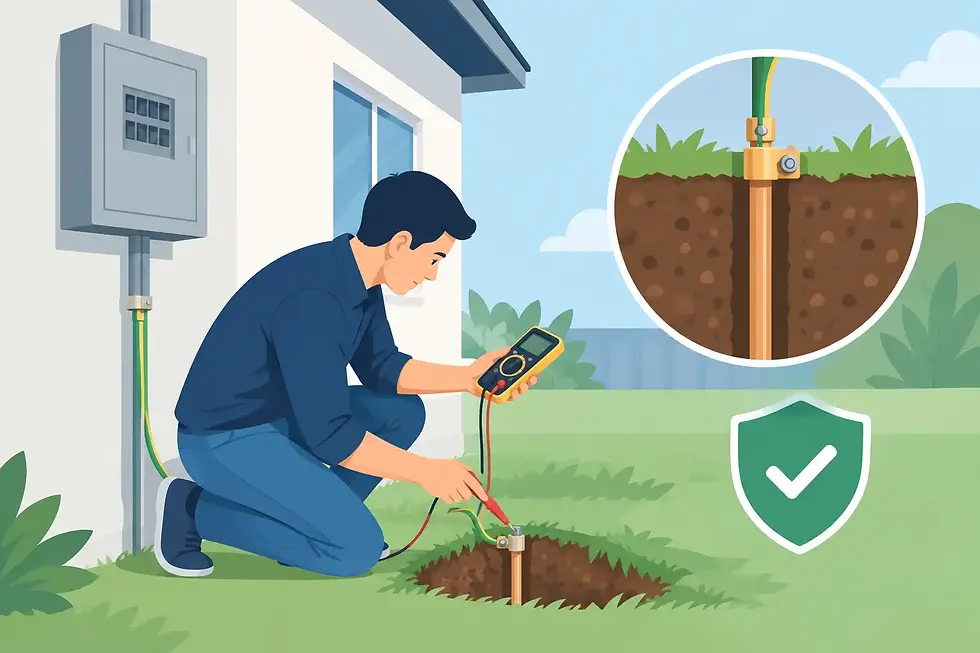
An EICR involves both visual checks and electrical testing. The electrician will examine accessible parts of the installation, including the consumer unit, protective devices, earthing and bonding arrangements, sockets, switches and visible wiring. Tests are then carried out to check that circuits and safety measures are operating as intended.
There may be a short interruption to the electricity supply while testing is completed. In occupied homes and working premises, this should be discussed in advance so that sensitive equipment, alarms, refrigeration or business operations can be considered. A professional electrician will explain what access is needed and whether the scope of the inspection has any limitations.
The finished report uses observation codes to show the seriousness of any findings. C1 indicates danger is present and urgent action is required. C2 identifies a potentially dangerous condition that needs remedial work. FI means further investigation is needed without delay. These observations will result in an unsatisfactory report until the issues are properly addressed. C3 observations are recommendations for improvement and do not, by themselves, make a report unsatisfactory.
It is worth asking for the findings to be explained in plain English. Technical codes are useful, but you should understand what they mean for your property, what needs immediate attention and what can reasonably be scheduled.
Choosing the right electrician and keeping records
Certificates are only as reliable as the inspection and workmanship behind them. Choose an electrician with suitable competence, current registration and experience of the type of property involved. For notifiable domestic work, using a registered installer who can self-certify through a competent person scheme helps ensure the Building Regulations process is dealt with correctly.
Before approving a quotation, clarify whether testing, certification, notification fees and any likely remedial work are included or separately priced. This matters especially where the condition of an older installation is unknown. An honest electrician cannot guarantee that an inspection will reveal no faults, but they can set out the likely process and costs clearly.
Store certificates digitally as well as in paper form. Keep them with records for rewires, consumer unit upgrades, EV chargers, extensions and any later alterations. They are useful when arranging future work because they give the next electrician a clearer picture of the installation.
Eclipse Electrical Solutions LTD provides inspection, testing and certification work for domestic and commercial customers across Norfolk and Suffolk, with a focus on clear advice, neat workmanship and properly documented results. Whether you need a landlord EICR, certification after an upgrade or an informed assessment of an older installation, a free quote should begin with a straightforward conversation about your property and its requirements.
The right certificate should leave you with more than a document to file away. It should give you confidence about the condition of your electrics, a clear plan for any necessary work and a reliable record for the future.


Comments