

Ohme Home Pro Review for Norfolk EV Drivers

A home charger should make EV ownership simpler, not leave you checking sockets, extension leads or confusing energy settings. In this Ohme Home Pro review, we look at what this popular tethered charger offers, where it suits a property well and the practical points to consider before arranging an installation.
The Ohme Home Pro is aimed at drivers who want a straightforward charging point with smart controls built in. It is widely chosen for its app-led scheduling, its clear on-unit display and its ability to work with selected time-of-use electricity tariffs. For many homes in Norfolk and Suffolk, it can be an excellent everyday option - provided the property’s electrical supply, parking layout and charging habits are suitable.
What the Ohme Home Pro is designed to do
The Home Pro is a tethered EV charger, meaning its charging cable is permanently attached to the unit. Rather than taking a separate cable out of the car each time, you park up, plug in and manage charging through the charger and Ohme app. This is particularly convenient for a driveway where the charger will be used most days.
Most domestic installations are configured for up to 7.4kW charging on a suitable single-phase supply. In practical terms, that is far quicker and safer for regular charging than relying on a standard three-pin plug. The exact time needed still depends on the vehicle, its battery size, state of charge and any charging limit set in the car.
A key part of the product’s appeal is smart charging. The app can schedule charging for lower-cost periods where a compatible electricity tariff is available, and it can take account of a chosen departure time and desired battery level. That can be useful for drivers who do most of their charging overnight and want more control over running costs.
Ohme Home Pro review: the features that matter
The Home Pro has a display on the front of the unit, which gives it an advantage for households that do not want every charging decision to depend on a phone. It can show charging information and make it easier to see what the unit is doing while you are standing at the drive.
The tethered lead is another practical benefit. It keeps the routine quick, especially in poor weather or when returning home late. Cable length matters, though. The ideal position is usually close enough to the vehicle that the cable reaches the charging port comfortably without being pulled tight, trailing across a path or creating a trip hazard.
The app is where the more detailed settings sit. Drivers can set a charging schedule, adjust their target and monitor sessions. It is useful technology, but it is not a substitute for good installation planning. A charger positioned awkwardly, a cable route that crosses access areas or an overloaded consumer unit will not be solved by an app.
The unit’s tariff-aware functionality is a genuine strength for the right household. If you have, or plan to move to, a compatible off-peak EV tariff, smart scheduling may reduce the cost of home charging. Savings are never automatic, however. They depend on tariff prices, when the vehicle is plugged in, whether the car is needed unexpectedly and how much flexibility you have around charging times.
What to check before choosing one
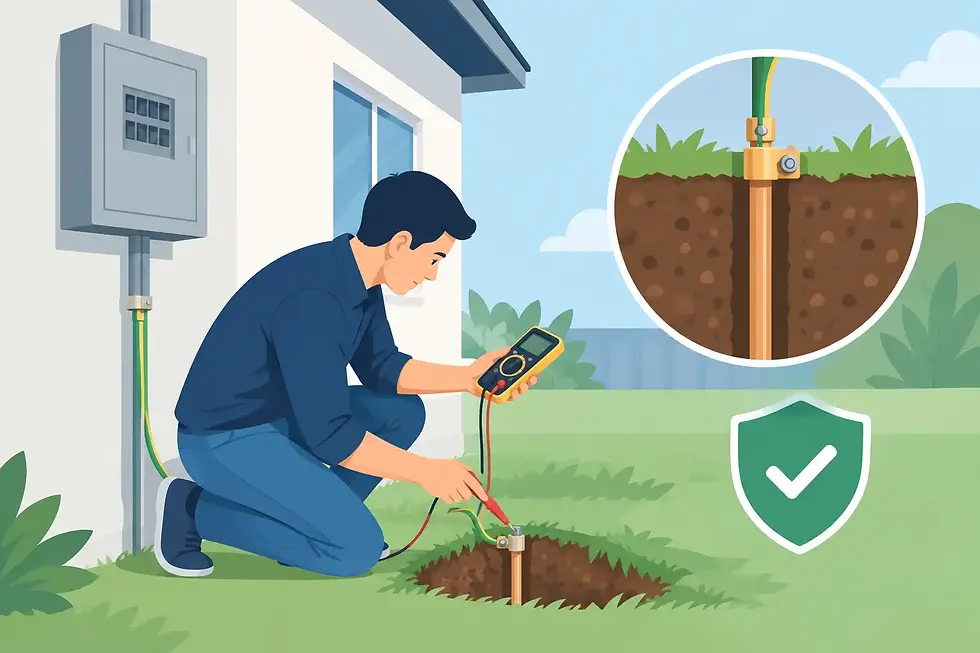
The best charger is not simply the one with the longest feature list. It must work safely with the property and make daily charging easier. Before an installation is quoted, an electrician should assess the proposed charger location, cable route, supply capacity, earthing arrangement and condition of the existing consumer unit.
Older homes can need more preparation than newer properties. A consumer unit may have limited space, unsuitable protective devices or signs of age that make an upgrade sensible before adding a high-load circuit. Main earth bonding may also need attention. These are not optional extras designed to inflate a quote - they are part of ensuring the installation meets current requirements and operates safely.
Parking is equally important. A charger works best where the vehicle can be parked consistently. If cars are often swapped around, if the charging port is on the opposite side of the vehicle, or if visitors need to use the space, discuss this at survey stage. In some cases, a different charger position or a longer cable option may be the better answer.
For flats, rented properties and shared commercial parking areas, the decision can be more involved. Permission from a freeholder, managing agent or employer may be required, and the route for cables must be considered carefully. A site survey is especially valuable in these situations because the neatest solution is not always the shortest cable run.
Tethered convenience versus flexibility
The main decision with the Home Pro is whether a tethered charger matches how you use your car. For a single household with a regular parking position, it usually does. The cable is ready when you are, and there is no need to unpack and put away a portable lead after every charge.
A socketed charger can offer more flexibility if several vehicles use different connector leads or if you prefer the unit to look less conspicuous when not in use. That said, most modern EVs use the same common Type 2 connection for home charging, so this is rarely a deciding factor for a typical household.
The trade-off is simple: tethered is generally more convenient day to day, while socketed can feel tidier and more adaptable. Neither is inherently better. The right choice depends on the vehicle, the driveway and the people using it.
Installation quality is part of the product
Even a well-regarded charger can disappoint if it is installed without enough attention to the property. The cable should be routed neatly, the equipment should be positioned for easy use, and the electrical protection should be correctly selected for the circuit. The work should also be inspected, tested and notified where required under Part P of the Building Regulations.
A qualified installer will also explain what is included before work begins. This matters because quotations can vary according to cable distance, wall construction, consumer unit work, trenching, external containment and any supply-related upgrades. A low headline price is not always a like-for-like comparison.
At Eclipse Electrical Solutions Ltd, EV charger installations are approached as an electrical safety and compliance project first, then tailored around how the customer parks and drives. For homeowners, landlords and businesses, that means clear advice on the practical work required rather than assumptions based on a photograph of the driveway.
Is the Ohme Home Pro a good choice?
For many drivers, yes. The Ohme Home Pro is a sensible option if you want a familiar, tethered charger, use a compatible smart tariff or would value a visible display as well as app control. It is particularly well suited to a home where the car returns to the same driveway most evenings and can be left plugged in overnight.
It may be less suitable if a socketed unit is preferred for appearance or flexibility, if your parking arrangement changes frequently, or if the property needs significant electrical remedial work before any charger can be fitted. In those cases, the answer may still be an Ohme unit, but not necessarily this model or this installation approach.
The most useful starting point is a proper survey and a transparent quote. Once the supply, consumer unit, earthing and parking arrangement have been checked, you can choose a charger based on real-world use rather than marketing claims. A well-planned installation leaves you with the part that matters most: the confidence that charging your vehicle at home is safe, convenient and ready when you need it.


Comments