

How to Upgrade Consumer Unit Safely

If you are searching for how to upgrade consumer unit equipment in your property, the first thing to know is this: in most cases, it is not a DIY job. A consumer unit upgrade involves the main electrical distribution point in the building, and that means safety, testing, certification and compliance all matter just as much as the new board itself.
For homeowners, landlords and small business owners, the real question is usually not just how the upgrade is done, but whether it is needed, what it will cost, and how to make sure the work is carried out properly. That is where a qualified electrician earns their keep.
How to upgrade consumer unit the right way
Upgrading a consumer unit is not simply a case of taking the old fuseboard off the wall and fitting a newer one in its place. A proper upgrade starts with assessing the condition of the existing installation. If the wiring, earthing or bonding are below standard, the new unit cannot just be fitted and ignored.
That catches many people out. They assume the problem sits in the old fuseboard, when in reality the wider installation may need attention as well. A modern consumer unit is designed to provide greater protection, often including RCDs, RCBOs and surge protection depending on the setup. But those devices only do their job correctly if the rest of the electrical system is suitable.
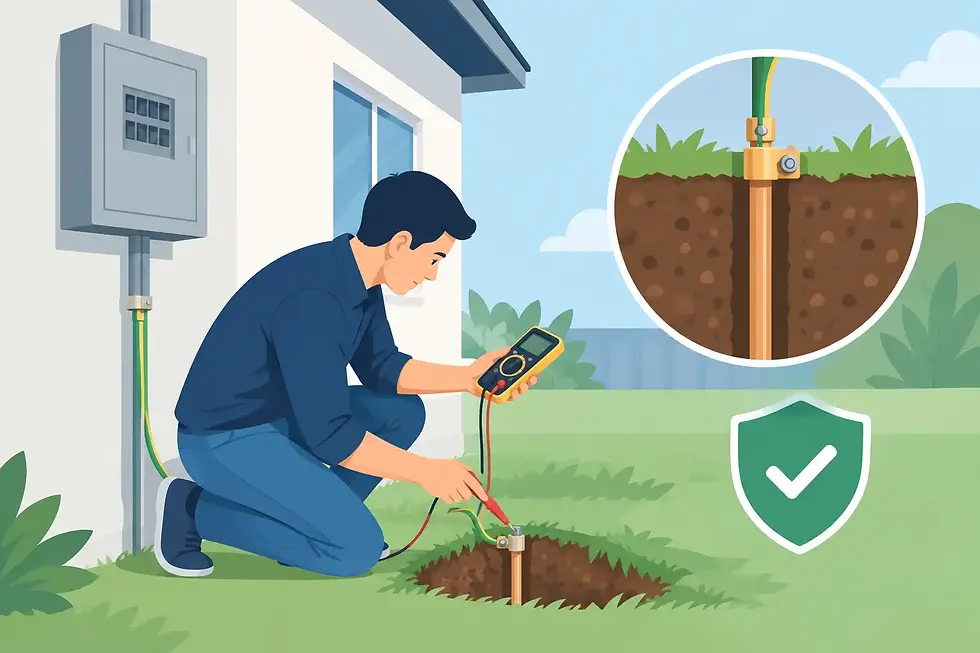
In practice, the process usually begins with an inspection and testing of the circuits. This helps identify whether the existing wiring is safe to remain in service, whether there are faults that need correcting, and whether the earthing and main bonding meet current requirements. If they do not, those items are often upgraded at the same time.
Once the installation is confirmed as suitable, the old board is removed, the new consumer unit is installed, circuits are transferred, and the full system is tested again. The work then needs to be certified and, where required, notified under Part P of the Building Regulations.
When a consumer unit upgrade is worth doing
There are some clear signs that a replacement should be considered. If your property still has rewirable fuses, an ageing fusebox with no RCD protection, or a board that has become overcrowded after years of additions, an upgrade is often the sensible next step.
You may also need one during renovation work, a rewire, an extension, loft conversion, kitchen refit, or before installing an EV charger. Landlords sometimes face this issue during inspection and testing, especially if an Electrical Installation Condition Report highlights inadequate protection or non-compliance.
There is also the matter of convenience. Older boards can be awkward to isolate, difficult to label properly and less forgiving when faults develop. A newer consumer unit can make fault finding easier and improve day-to-day safety, especially in properties with modern electrical demands.
That said, not every older board automatically needs replacing. If an installation is in good condition and remains safe in service, an electrician may advise targeted remedial work instead. The right answer depends on the age, condition and future use of the property.
What happens before the board is changed
The pre-installation stage matters more than many people realise. Before any upgrade goes ahead, the electrician should check the incoming supply arrangement, meter tails, main switch rating, earthing arrangement and main protective bonding to services such as gas and water.
They will also inspect the existing circuits. If insulation resistance is poor, polarity is incorrect, or there are faults hidden in the wiring, simply installing a new consumer unit can expose those issues very quickly. In some cases, circuits that seemed to work normally under an old setup start tripping on a modern board because the new protection is doing exactly what it should.
This is not a fault with the new unit. It usually means the existing installation had underlying problems that were not being picked up before.
That is why a reliable electrician will not promise a like-for-like swap without checks. It may sound straightforward on paper, but professional testing before and after the work is what makes the job safe and compliant.
Choosing the right type of consumer unit
Modern consumer units are not all identical. The best choice depends on the size of the property, the number of circuits, the type of occupancy and whether there are any special requirements such as outbuildings, EV charging or commercial equipment.
Many installations now use metal consumer units for improved fire containment. Within the board, circuit protection may be arranged using dual RCDs, individual RCBOs, or a combination of devices. RCBO-based setups are often preferred because they provide individual protection to each circuit and reduce the chance of one fault affecting several areas of the building.
There can also be a case for surge protection devices, particularly where sensitive electronics are in use or where the risk assessment supports it. In some properties this is strongly recommended, while in others it depends on layout, equipment value and budget.
A good electrician will explain the options in plain English. The aim is not to oversell equipment, but to recommend a setup that suits the building and the people using it.
Why this is not suitable for DIY
A consumer unit sits at the heart of the electrical installation. Getting it wrong can lead to electric shock risk, fire risk, nuisance tripping, failed inspections or invalid documentation. It is also notifiable electrical work in many domestic situations.
Even for someone reasonably confident with basic electrical tasks, this is far beyond changing a socket or light fitting. Safe isolation procedures, dead testing, live verification, circuit identification and certification are all part of the job. Without the right knowledge and test equipment, there is no reliable way to prove the installation is safe when the work is finished.
For landlords and business owners, there is also a compliance issue. If anything goes wrong later, being unable to show that the upgrade was carried out and certified correctly can become a serious problem.
Cost, disruption and what can affect the price
One of the most common questions is how much a consumer unit upgrade will cost. The honest answer is that it depends. The type of board, number of circuits, condition of existing wiring and whether earthing and bonding need improvement all affect the final figure.
A straightforward upgrade in a well-maintained property is usually more predictable than one in an older house with unknown alterations. If faults are discovered during testing, remedial work may be needed before the new board can be fully commissioned.
Power will usually need to be switched off for much of the work, so some disruption is unavoidable. In most domestic settings, the job can often be completed within a day, but this depends on the complexity of the installation and whether extra corrections are required.
The most sensible approach is to ask for a clear quote based on inspection, not a guess over the phone. Transparent pricing matters, especially when electrical safety work can uncover issues that were hidden before.
What paperwork should you receive?
Once the upgrade is complete, you should expect proper certification. This generally includes an Electrical Installation Certificate and, where applicable, Building Regulations notification.
This paperwork is not just for filing away in a drawer. It proves the work has been tested and completed to the required standard. It can also be useful when selling a property, managing a tenancy or dealing with insurers.
If a contractor cannot clearly explain what certification will be provided, that should raise concerns. Trustworthy electricians treat documentation as part of the job, not an optional extra.
How to choose an electrician for the work
When you are comparing contractors, experience with consumer unit replacements matters, but so do the basics: certification, testing capability, clear communication and a willingness to explain any issues found. Accreditation and trusted trader recognition can provide extra reassurance, especially for customers who want confidence that the work will meet current standards.
This is one of those jobs where the cheapest quote is not always the best value. A low price can sometimes mean corners are being cut on testing, remedial work or certification. A properly upgraded consumer unit should leave you with a safer, more reliable installation and confidence that the job has been done correctly.
For property owners across Norfolk and Suffolk, that peace of mind is often the real reason to upgrade. Firms such as Eclipse Electrical Solutions LTD carry out this kind of work with the checks, certification and care it requires, so customers know where they stand from the start.
If you think your fuseboard is outdated, overloaded or no longer suited to the way the property is used, the best next step is not to guess. It is to have the installation assessed properly, so any upgrade is based on safety, compliance and what the building actually needs.


Comments